
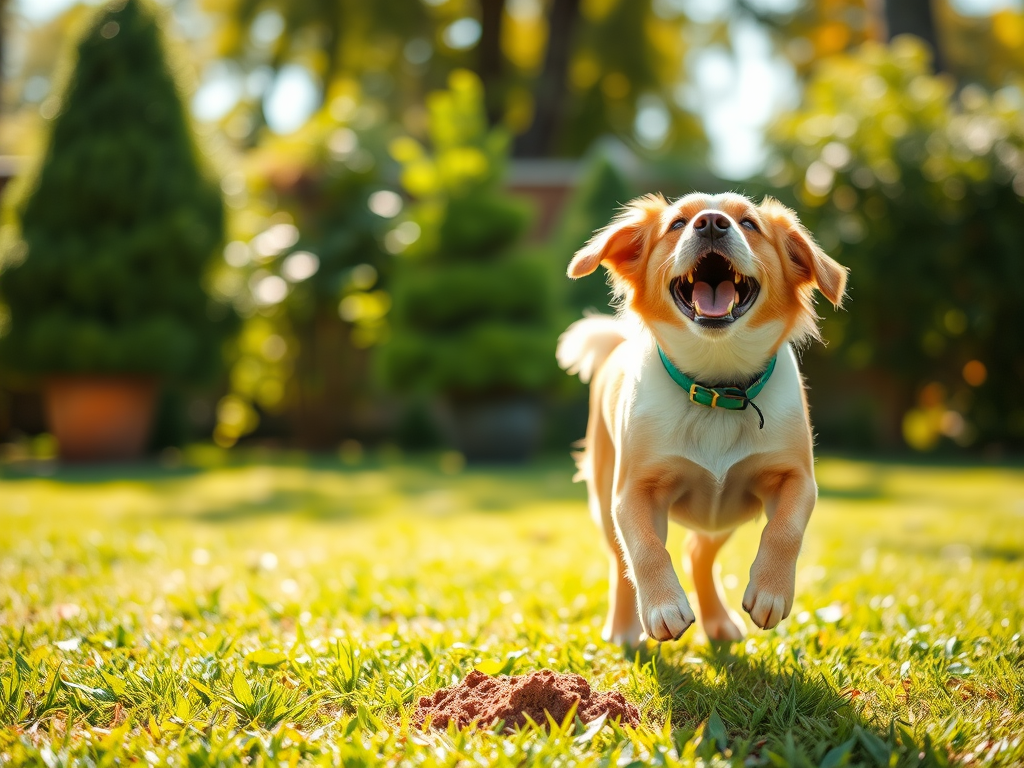
Dog mess happens — pee, poo, vomit, or diarrhoea — and the stink can take over your home, apartment, living space, lawn, or synthetic grass. Most dog sprays and enzyme cleaners only mask the smell, letting bacteria and ammonia build up again. Eco Pawz CleanUp® is a natural adsorbent powder alternative that prevents stink, absorbs liquids, and neutralises odours before they start, keeping your home and lawn fresh and clean.
Dog urine contains urea, ammonia, and salts. Bacteria break down urea into ammonia, producing that sharp, lingering smell. Excess nitrogen can burn lawns, and on synthetic turf or indoor floors, urine can soak into fibers, making the stink stick around. Feces and diarrhoea release volatile sulfur compounds, while vomit produces amines like putrescine and cadaverine — all compounds responsible for strong, persistent odours. Eco Pawz CleanUp® uses a diatomaceous earth and attapulgite clay adsorbent powder blend to trap liquids and neutralise odours fast, making it perfect for indoor dog cleanup, synthetic grass odour control, and lawn protection.
Unlike sprays or enzyme cleaners, Eco Pawz CleanUp® doesn’t just mask odours — it stops stink at the source, cleans dog mess fast, and is completely pet-safe. Perfect for apartments, living spaces, lawns, and synthetic turf, it’s the Aussie-made, natural alternative dog owners trust.
Choosing Eco Pawz CleanUp® also means supporting Australian manufacturing, local employment, and domestically sourced ingredients. Every 500mL pouch and 10L tub is made in Australia using locally sourced diatomaceous earth and attapulgite clay, helping sustain jobs and reduce the environmental footprint from imports. With Eco Pawz CleanUp®, you’re not just keeping your home, lawn, and synthetic grass clean — you’re backing Australian industry while enjoying a premium, natural dog odour and mess solution.
To break down the science and tribulations of dog mess:
1. Dog Urine (Pee)
What it is:
Dog urine is mostly water (~95%), but it contains urea, ammonia, creatinine, salts, and other nitrogen-rich compounds.
How the smell develops:
- Urea breakdown: Urea in urine is naturally odourless, but bacteria in the environment (on carpets, grass, or floors) break down urea into ammonia.
- Ammonia formation: Ammonia is highly volatile and has a sharp, pungent smell — this is what most people associate with “dog pee stink.”
- Urine salts and residual compounds: Over time, salts in urine can crystallise, trapping bacteria and prolonging odour.
- Environmental interaction: On lawns, urine can “burn” grass because excess nitrogen and salts damage plant tissue, producing a burnt smell. On synthetic grass, the smell lingers because urine is absorbed into the base layer.
Takeaway: Pee stink comes mainly from bacterial breakdown of urea into ammonia, and lingering compounds trap odour until removed.
2. Dog Faeces (Poo)
What it is:
Dog faeces contains undigested food, bacteria, and metabolic waste.
How the smell develops:
- Bacterial fermentation: Faeces contains anaerobic bacteria that break down proteins and fats in the waste.
- Sulphur compounds: This breakdown produces volatile sulphur compounds (VSCs), like hydrogen sulphide (rotten egg smell), methanethiol, and dimethyl sulphide, which are the main contributors to the strong odour.
- Organic acids: Short-chain fatty acids like butyric acid add the sharp, rancid smell.
- Drying and oxidation: As faeces dries, compounds oxidise, sometimes intensifying the smell.
Takeaway: Poo smells due to bacterial digestion producing sulphur and fatty acids, which release volatile, pungent odours.
3. Dog Vomit
What it is:
Vomit is partially digested food mixed with stomach acid, bile, and mucus.
How the smell develops:
- Acidic environment: Stomach acid (hydrochloric acid) and bile salts interact with partially digested proteins and fats, producing foul-smelling volatile compounds.
- Protein breakdown: Proteins in vomit are broken down into amines such as putrescine and cadaverine, which smell strongly putrid.
- Bacterial activity: If vomit sits for a while, bacteria multiply, intensifying the odour.
- Surface absorption: On carpets, upholstery, or synthetic grass, liquids soak into fibres or bases, prolonging the smell until properly cleaned.
Takeaway: Vomit smells are driven by protein breakdown into foul-smelling amines, acidic compounds, and bacterial action if left untreated.
4. Dog Diarrhoea
What it is:
Diarrhoea is loose, often watery stool that contains high concentrations of undigested food, bacteria, and water.
How the smell develops:
- High bacterial load: Diarrhoea contains a higher proportion of bacteria compared to solid faeces, including anaerobic and pathogenic bacteria, producing volatile sulphur compounds and other odorous metabolites.
- Rapid breakdown: The loose consistency allows bacteria to quickly metabolise proteins and carbohydrates, generating intense odours faster than solid stool.
- Water content: High water content means the odour spreads quickly, soaking into carpets, floors, or synthetic turf.
- Ammonia formation: If diarrhoea comes from the colon or urinary contamination, urea and ammonia formation can also contribute to the stink.
Takeaway: Diarrhoea smells are often stronger and more pervasive than solid stool because of bacterial activity, high water content, and rapid volatile compound release.
Summary Table of Causes and Odour Chemistry
| Mess Type | Main Odour Source | Chemistry / Science | Why It Stinks |
|---|---|---|---|
| Urine | Ammonia | Urea → bacteria → ammonia | Sharp, pungent, lingers on surfaces |
| Faeces | Volatile sulphur compounds & short-chain fatty acids | H2S, methanethiol, butyric acid | Rancid, strong, long-lasting |
| Vomit | Amines & acidic compounds | Putrescine, cadaverine, HCl + bile | Putrid, acidic, spreads if not cleaned |
| Diarrhoea | Bacterial metabolites + high water content | VSCs, ammonia | Extremely pungent, spreads fast, hard to remove |
✅ Key Insight:
The stink of dog mess is primarily caused by bacterial breakdown of proteins, fats, and urea, producing ammonia, sulphur compounds, and amines. The type of mess, surface, and moisture content determine how strong and long-lasting the smell is. Preventative cleaning with adsorbent powders like diatomaceous earth and attapulgite clay works by absorbing liquids and neutralising odours before bacteria fully break them down, stopping the stink before it develops.
BUY Eco Pawz CleanUp® Now!
Available Sizes
- 500mL Pouches – Available as single or bulk buy. Premium, eco-friendly, easy to store, and designed for everyday cleanup.
BUY from AmazonAU: https://amzn.asia/d/eJALzlO
Or email us ecopawz@hpgl.com.au to order - 10L Tubs – Available at stockists.
Simply enquire where to buy at ecopawz@hpgl.com.au or for bulk orders.
BUY from: ECO PAWZ CLEAN UP 10 LITRES – Head to Tail Pets - New 7L Bags – Available at your local IGA through Metcash – ask for Eco Pawz CleanUp or email us at ecopawz@hpgl.com.au to express your interest.
Contact Us
- Email: ecopawz@hpgl.com.au
- Phone: 02 9251 7177
- In-person: Hudson House Carpark, 131 Macquarie Street, Sydney
Retail Stockists 10L tubs Eco Pawz CleanUp®
- Enfield Produce
Pet & Garden Supplies
Eco Pawz CleanUp 10 Litre | DE & Attapulgite Powder – Enfield Produce
56 Coronation Parade, Enfield NSW 2136
Ph: (02) 97475713
Email: websales@petandgarden.com.au - Head to Tails Pets
ECO PAWZ CLEAN UP 10 LITRES – Head to Tail Pets - Better Pets and Gardens WA
Wholesalers 10L tubs Eco Pawz CleanUp®
- AIRR WA
Ph: (08) 9469 1800
Email: saleswa@airr.com.au - Animal Health Solutions
Ph: (08) 9452 3944
Email: info@animalhealth.net.au
Connect with Us on Social Media
Stay updated with the latest tips, promotions, and community events by following us on social media. Don’t forget to tag us when sharing your Eco Pawz moments—we love seeing happy pets, fresh lawns, and cleaner homes!
- Facebook: @EcoPawzCleanUp
- Instagram: @ecopawz_cleanup
- TikTok: @ecopawzcleanup
#DogTrainingPads #PottyTrainingForDogs #GrassPadsForDogs #IndoorDogPotty #DogToiletTraining #PuppyTrainingTips #EcoFriendlyDogCleanup #EcoPetCare #SustainablePetCare #PetOdorControl #PetCleanupMadeEasy #ApartmentDogs #CityDogs #AnxiousDogs #PetCarriersForSmallDogs #PetCarriersForBigDogs #TravelWithPets #DogTravelTips #DogFriendlyLiving #PetParentTips #PetCareMadeSimple #PetSuppliesOnline #PetGroomingSupplies #AffordablePetGroomingTools #DogLoversAustralia #HealthyHappyPets #doggrasspads #syntheticturf #realgrass #pets #moistureaccumulation #odourbuildup #wear #replacements #costs #EcoPawzCleanUp #solution #grasspads #lifespan #environmentalimpact #longevity #durability #syntheticgrasspads #urinepooling #tray #fibers #bacterialgrowth #materialdegradation #staining #absorption #diatomaceousearth #DE #odourcontrol #attapulgiteclay #ammonia #nitrogenouscompounds #sanitisation #microbialgrowth #cleanerfibers #durabilityprotection #structuralintegrity #deepcleaning #realgrasspads #soggypads #soil #rootrot #urineaccumulation #grassblades #frequentreplacement #moisturecontrol #soilconditioning #minerals #aeration #drainage #sod #odourneutralisation #bacterialgrowth #fungalgrowth #healthierturf #turf #syntheticturfpads #sprinkle #turf #tray #powder #hightrafficareas #indoorareas #enclosedareas #Petmaker #MEEXPAWS #LODDEAMI #HEBE #HQ4US #hengsof #KGS #DoggieLawn #FreshPatch #Amazon #CanadianTire #FluentWoof #ThePetIndex #FreshPatchWebsite #PetSuppliesOnline #DogGrassPads #SyntheticGrassPads #RealGrassPads #IndoorDogPotty #DogTrainingPads #PuppyPottyTraining #DogToiletTraining #HydroponicGrass #ArtificialGrassPads #DogPeePads #DogPottySolutions #PetCare #PetProducts #EcoFriendlyDogCare #DogOwners #PetOdourControl #PetCleanup #Dundies #PettingIsCaring #ViviBear #Luxja #Anko #RPBAShopAustralia #Petbarn #EasyMart #PawzAustralia #PurinaAustralia #PetsoOnlineStore #RSPCAWorldforpets #DogNappies #DogDiapers #ReusableDogNappies #DisposableDogNappies #MaleDogNappies #FemaleDogNappies #DogTrainingPads #PuppyTrainingPads #IndoorPottyTraining #DogPottyTraining #SeniorDogs #Puppies #Absorbency #LeakProof #Comfort #Protection #MicrolockPolymer #AntibacterialProperties #DogOwners #PetCare #PetProducts #DogHygiene #EcoFriendlyDogCare #PetSupplies #DogSupplies #TrainingSupplies #PetBarn #EasyMart #PetPawz #ShopOnline #DogMerchandise #DogHygieneProducts #PottyTraining #DogToiletTraining #PetCleaning #PetCleanup #SyntheticGrassPads #UrinePooling #OdourBuildup #BacterialGrowth #MaterialDegradation #CleaningRequirements #Slippage #RealGrassPads #SoggySoil #RootRot #RapidBladeDegradation #FrequentReplacement #DiseaseGrowth #FungalGrowth #SizeLimitations #DogNappies #DogDiapers #Leakage #SkinIrritation #Odour #SizingIssues #EnvironmentalImpact #Cost #ReusableNappies #DisposableNappies #DogTrainingPads #MessyEdges #TrainingDependency #AbsorbencyLimitations #Pets #Puppies #SeniorDogs #DogOwners #PetCare #PetProducts #DogHygiene #PetCleanup #IndoorPottyTraining #DogPottyTraining #DogToiletTraining #PetSupplies #DogSupplies #DogMerchandise #PottyTraining #EcoFriendlyDogCare #doggrasspads #syntheticgrass #realgrass #petodourcontrol #doghygiene #diatomaceousearth #attapulgiteclay #grasspadlongevity #dogowners #petcare #ecofriendlypets #odourcontrol #petcleaning #dogpadmaintenance #grasspaddurability #petproducts #doghealth #sustainablepetcare #petwastecleanup #longlastinggrasspads #CleanUpMadeEasy #OdorFreeHome #HappyDogsHappyOwners
 Because living in dog stink shouldn't be an option for dog owners & rescues — choose control.
Leave a comment